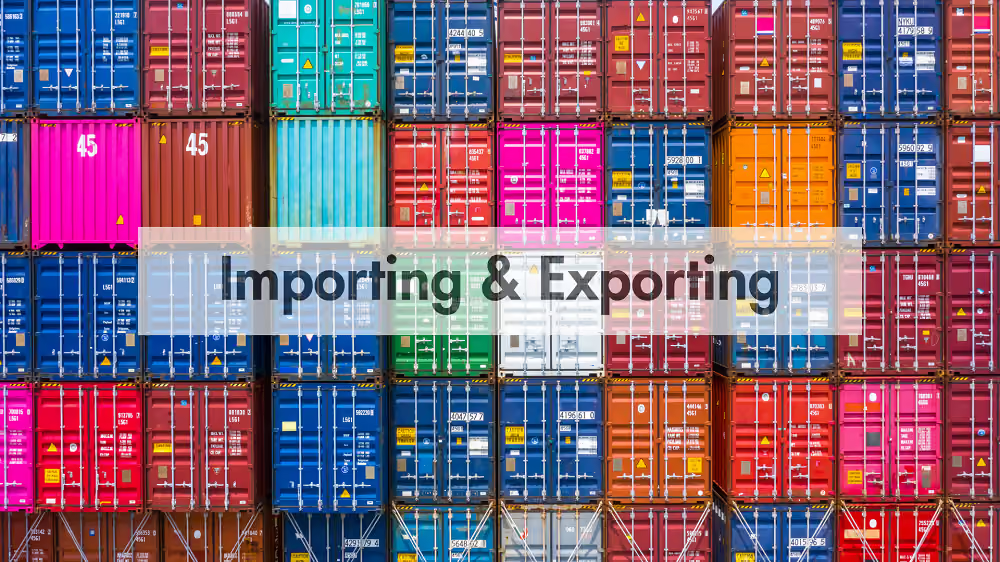
Importing & exporting supplements - all your questions answered

Importing and exporting supplements in UK and Europe

Importing and exporting food supplements involves far more than arranging transport. Businesses need to ensure products meet the relevant UK and European regulatory requirements, with the right documentation, labelling, customs procedures and supply chain controls in place. From understanding import requirements and product compliance to managing customs and avoiding costly delays, there are many factors to consider.

Our FAQs below answer some of the most common questions businesses have when importing and exporting food supplements into the UK and Europe.

Fore more information, please refer to our list of external industry resources for importing and exporting within UK and Europe.
‍

FAQs

  • How do I import supplements into the UK?

    +

    Importing food supplements into the UK involves more than arranging transport. Businesses need to ensure products meet UK regulatory requirements, complete the appropriate customs declarations, provide the correct documentation and move goods efficiently from port to warehouse.

    Why this matters

    Delays caused by incomplete paperwork or poor coordination can increase costs and disrupt stock availability.

    Typical import process

    • Manufacture

    • International transport

    • Customs declaration

    • Border clearance

    • Port collection

    • Warehouse receipt

    • Quality inspection

    • Storage

    • Distribution

    ‍

  • What documents are needed to import supplements?

    +

    The documentation required depends on the product, country of origin and shipping method, but typically includes commercial shipping and customs documents.

    Common documents

    • Commercial invoice

    • Packing list

    • Bill of lading or airway bill

    • Customs declaration

    • Commodity codes

    • Certificate of Origin (where applicable)

    • Product specifications (where required)

    Always check current UK or European import requirements for your products before shipping.

    ‍

    ‍

  • What is customs clearance?

    +

    Customs clearance is the process of declaring imported or exported goods to customs authorities so they can legally enter or leave a country.

    Why this matters

    Correct customs procedures help avoid delays, additional costs and disruption to the supply chain.

    ‍

  • What is a bonded warehouse?

    +

    A bonded warehouse is a customs-authorised facility where imported goods can be stored before import duties and certain taxes become payable, subject to the applicable customs rules.

    Benefits

    • Improved cash flow

    • Greater flexibility

    • International trading

    • Deferred duty payments

    ‍

  • What are commodity codes?

    +

    Commodity codes classify goods for customs purposes and determine how products are treated for import and export.

    Why this matters

    Incorrect codes may result in delays or incorrect duty calculations.

    ‍

  • What are Incoterms®?

    +

    Incoterms® are internationally recognised trade rules that define the responsibilities of buyers and sellers during international shipments.

    Common examples

    • EXW

    • FCA

    • FOB

    • CIF

    • DAP

    • DDP

    Understanding Incoterms® helps avoid misunderstandings over costs, insurance and risk.

    ‍

  • How long does customs clearance take?

    +

    Clearance times vary depending on documentation, inspections, border volumes and the nature of the products.

    Delays may occur because of

    • Missing paperwork

    • Customs inspections

    • Incorrect declarations

    • Border congestion

    ‍

  • What happens when my container arrives at port?

    +

    After arrival, the container is processed through port operations, customs procedures and collection before being transported to its destination warehouse.

    Typical process

    • Port arrival

    • Customs processing

    • Container release

    • Collection

    • Transport

    • Warehouse unloading

    ‍

  • What is container devanning?

    +

    Container devanning is the process of unloading products from a shipping container before inspection and warehouse storage.

    Why this matters

    This stage provides an opportunity to inspect packaging, identify damage and verify quantities before products enter inventory.

    ‍

  • What is Port Health?

    +

    Port Health Authorities carry out checks on certain imported food products to help ensure they comply with applicable safety and import requirements.

    Why this matters

    Some supplement ingredients or food products may be subject to additional controls depending on their origin and composition.

    ‍

    ‍

  • Can my logistics provider manage imports for me?

    +

    Many third-party logistics providers, including Commodity Centre, coordinate several stages of the import process, including transport, customs support, warehouse receipt and onward distribution.

    Services may include

    • Port collection

    • Warehouse receipt

    • Inventory management

    • Distribution

    • Reporting

    ‍

  • How are imported supplements inspected?

    +

    Goods are typically inspected when they arrive at the warehouse to verify quantities, packaging condition and product information.

    Checks may include

    • Pallet condition

    • Visible damage

    • Batch numbers

    • Expiry dates

    • Packaging integrity

    ‍

  • How do I export supplements from the UK?

    +

    Exporting involves preparing products for international transport, completing export documentation and ensuring the destination country's import requirements are met.

    Typical process

    • Order preparation

    • Documentation

    • Customs declaration

    • Transport

    • International delivery

    ‍

  • What documents are needed for export?

    +

    Documentation varies depending on the destination and products being shipped.

    Typical documents

    • Commercial invoice

    • Packing list

    • Export declaration

    • Transport documentation

    • Certificates where required

    ‍

  • Can supplements and nutraceuticals be exported throughout Europe?

    +

    Many supplement products can be exported to European markets, provided they comply with the destination country's regulatory and customs requirements.

    Considerations

    • Product compliance

    • Customs procedures

    • Documentation

    • Labelling

    • Distribution networks

    ‍

  • What is a freight forwarder?

    +

    A freight forwarder coordinates the movement of goods between countries, arranging transport, documentation and logistics on behalf of the shipper.

    Why this matters

    Freight forwarders help simplify international supply chains by managing multiple transport providers and administrative processes.

    ‍

  • What causes delays when importing supplements?

    +

    Delays can arise from incomplete documentation, customs checks, transport disruption, port congestion or issues identified during inspections.

    Good planning helps reduce the risk of delays and improves supply chain resilience.

    ‍

  • How can I reduce delays when importing supplements?

    +

    Many delays are preventable through careful planning, accurate documentation and good communication between suppliers, freight providers, customs specialists and warehouses.

    Best practice

    • Confirm product documentation before shipping

    • Use the correct commodity codes

    • Plan warehouse availability

    • Monitor shipment progress

    • Communicate with logistics partners early

    ‍

  • What should I look for in an import and export logistics partner?

    +

    Choose a provider with experience in international trade, strong customs knowledge, food-grade warehousing capability and robust inventory systems.

    Ask about

    • Customs support

    • Warehouse locations

    • Technology

    • Traceability

    • Distribution networks

    • Customer reporting

    ‍

  • How can specialist import and export logistics support business growth?

    +

    International logistics is about much more than moving goods between countries. Efficient import and export processes help businesses reduce lead times, improve inventory availability and expand into new markets with confidence.

    Benefits include

    • Better supply chain visibility

    • Reduced delays

    • Faster market access

    • Scalable logistics

    • Improved customer service

    • Greater resilience

    As supplement businesses grow internationally, their logistics operations inevitably become more complex. Working with experienced partners who understand customs procedures, international transport, warehousing and distribution can simplify that complexity, helping products move efficiently from manufacturer to customer while maintaining quality, traceability and compliance.

    ‍

  • Should I transport supplements by sea freight or air freight?

    +

    The right transport method depends on your priorities. Sea freight is generally more economical for larger shipments, while air freight offers faster transit times for urgent deliveries or high-value products.

    Why this matters

    Choosing the wrong transport method can increase costs unnecessarily or delay products reaching the market.

    Sea freight is often used for regular replenishment of stock, whereas air freight may be appropriate for product launches, urgent customer orders or replacing delayed inventory.

    Factors to consider

    • Transit time

    • Cost

    • Product value

    • Shelf life

    • Order urgency

    • Carbon footprint

    ‍

  • What type of shipping container is best for supplements?

    +

    The most appropriate container depends on the products being transported and their storage requirements. Standard dry containers are suitable for many ambient supplements, whilst some products may require specialised equipment if temperature control is necessary.

    Why this matters

    Selecting the correct container helps protect products during long international journeys.

    Considerations

    • Product type

    • Packaging

    • Journey duration

    • Environmental conditions

    • Manufacturer's storage guidance

    ‍

  • What are demurrage and detention charges?

    +

    Demurrage and detention are additional charges that may arise if shipping containers are not collected from port or returned within the agreed free period.

    Why this matters

    These charges can increase logistics costs significantly if containers remain at port or with the consignee longer than planned.

    How to reduce the risk

    • Prepare customs documentation in advance

    • Arrange prompt transport from the port

    • Ensure warehouse capacity is available

    • Coordinate with freight partners before the vessel arrives

    ‍

  • What is freight consolidation and when should I use it?

    +

    Freight consolidation combines shipments from one or more suppliers into a single larger shipment. This can improve transport efficiency and reduce shipping costs.

    Benefits

    • Lower transport costs

    • Better container utilisation

    • Fewer deliveries

    • Reduced administration

    • Improved planning

    ‍

  • Do I need a customs broker?

    +

    Many businesses choose to use a customs broker to help prepare declarations and ensure import or export documentation is completed correctly.

    Why this matters

    International trade requirements can be complex. Working with experienced customs specialists can reduce the risk of delays, incorrect declarations and additional costs.

    ‍

  • What is supply chain resilience?

    +

    Supply chain resilience is the ability to continue operating effectively when unexpected events disrupt normal logistics activities.

    Why this matters

    Events such as shipping delays, port congestion, extreme weather or geopolitical changes can all affect international trade.

    Ways to improve resilience

    • Maintain safety stock

    • Diversify suppliers

    • Use multiple transport options

    • Partner with experienced logistics providers

    • Monitor supply chain performance

    ‍

  • How has Brexit affected supplement imports and exports?

    +

    Brexit introduced changes to customs procedures, documentation and border processes for trade between the UK and the European Union. Businesses importing or exporting supplements should ensure they understand the current requirements for their products and destination markets.

    Why this matters

    Additional paperwork and customs formalities can affect lead times if they are not planned effectively.

    Good practice

    • Keep up to date with regulatory changes

    • Review customs documentation carefully

    • Work with experienced customs and logistics partners

    • Allow sufficient time for border processes

    ‍

  • How can I reduce import costs?

    +

    Efficient planning, accurate documentation and well-managed logistics can help minimise unnecessary costs.

    Examples include

    • Reducing storage charges

    • Avoiding demurrage and detention

    • Consolidating shipments

    • Using bonded warehousing where appropriate

    • Accurate customs declarations

    ‍

  • Should imported supplements be insured during transport?

    +

    Many businesses choose to insure international shipments to protect against financial loss resulting from damage, theft or other unforeseen events during transit.

    Why this matters

    International shipments often travel through several transport stages before reaching their final destination. Appropriate insurance can provide valuable protection should something unexpected occur.

    Consider

    • Product value

    • Transit route

    • Mode of transport

    • Customer requirements

    • Contractual responsibilities

    ‍

  • Can imported supplements be sampled and inspected before distribution?

    +

    Yes. Many businesses choose to carry out inspections or sampling after products arrive at the warehouse and before they enter the supply chain.

    Typical checks include

    • Packaging condition

    • Quantity verification

    • Batch information

    • Labelling

    • Visible transit damage

    • Customer-specific inspection requirements

    Why this matters

    Identifying issues before products are distributed helps reduce the risk of customer complaints, returns and supply chain disruption.

    ‍

Related Articles
Truck unloading a shipping container inside a warehouse with a high ceiling.
We don’t just support supply chains – we strengthen them