eCommerce & fulfilment for supplements: all your questions answered

Ecommerce and fulfilment for supplements

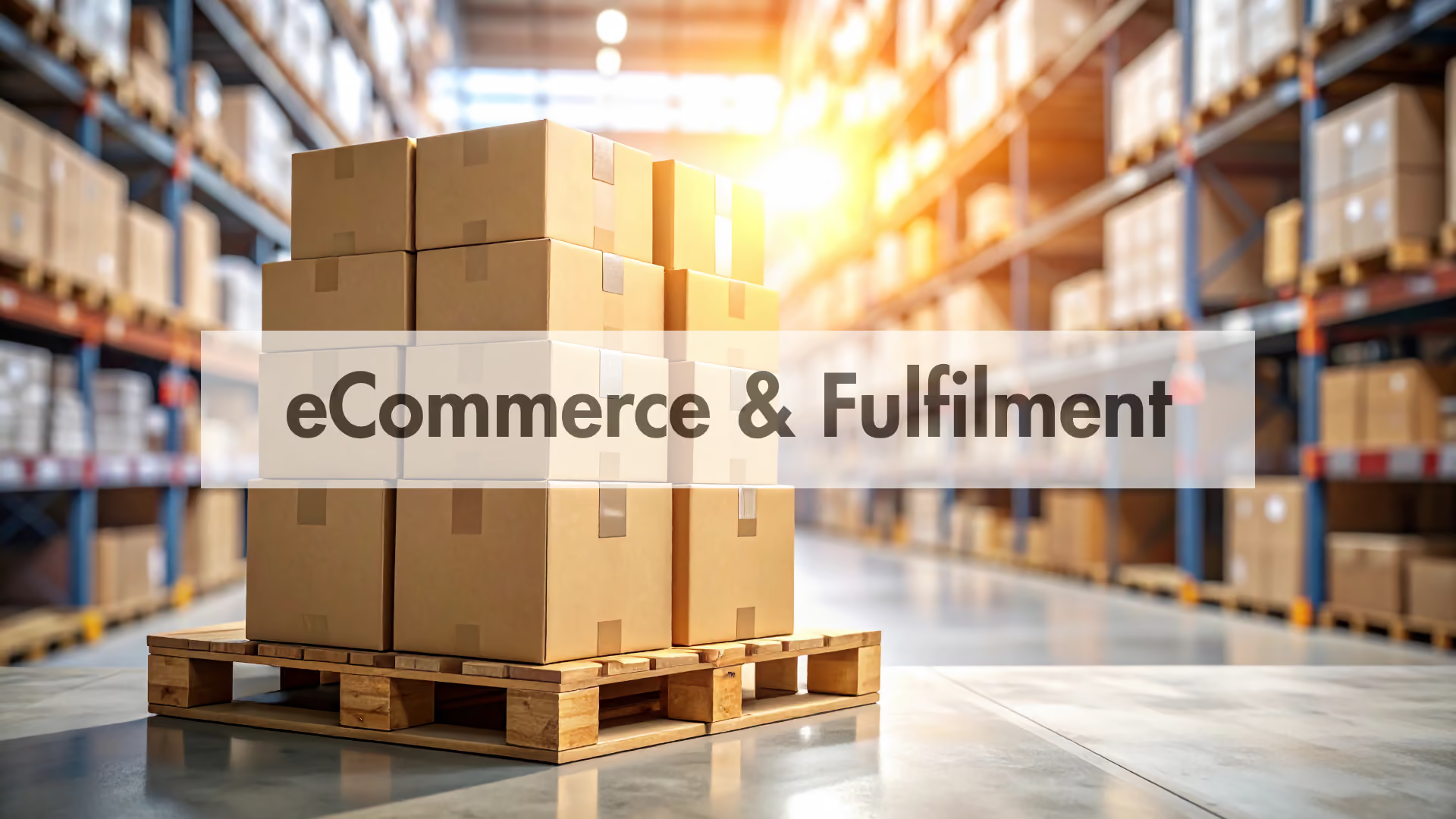
E-commerce fulfilment involves much more than simply picking and packing orders. For food, drink and supplement brands, businesses need to consider storage requirements, stock management, order accuracy, packaging, labelling, delivery and returns while maintaining product quality and traceability. Choosing the right fulfilment partner can help streamline operations, improve customer experience and support growth without adding unnecessary complexity.

Our FAQs answer some of the most common questions businesses have about e-commerce fulfilment and managing their supply chain.
‍

FAQs

  • What is fulfilment?

    +

    Fulfilment is the process of receiving, storing, picking, packing and dispatching products to customers on behalf of a business. A fulfilment provider manages these operations so brands can focus on developing products, marketing and growing sales.

    Why this matters

    As online sales grow, managing inventory and customer orders becomes increasingly complex. Outsourcing fulfilment allows businesses to access professional warehousing, experienced teams and technology without investing in their own logistics infrastructure.

    Fulfilment typically includes

    • Goods receiving

    • Storage

    • Inventory management

    • Pick and pack

    • Order dispatch

    • Returns processing

    • Customer reporting

    ‍

  • What is a fulfilment centre?

    +

    A fulfilment centre is a specialist warehouse designed to store products and process customer orders quickly and accurately.

    Unlike a traditional warehouse...

    A fulfilment centre focuses on individual orders rather than simply storing pallets.

    Typical activities include

    • Picking products

    • Packing orders

    • Printing shipping labels

    • Dispatching parcels

    • Processing returns

    ‍

  • How does fulfilment work?

    +

    Products are delivered to the fulfilment centre, stored securely and recorded in a Warehouse Management System. When a customer places an order, the items are picked, packed and dispatched using the selected delivery service.

    ‍

  • What is pick and pack fulfilment?

    +

    Pick and pack is the process of selecting products from warehouse inventory, packing them securely and preparing them for dispatch.

    Why it's important

    Accurate pick and pack operations help reduce errors, improve customer satisfaction and protect products during transport.

    ‍

  • When should I outsource fulfilment?

    +

    Many businesses choose to outsource fulfilment when order volumes become difficult to manage internally or when they want to focus on growing the business rather than running a warehouse.

    Common signs

    • Running out of storage space

    • Increasing online orders

    • Spending too much time packing parcels

    • Recruiting warehouse staff

    • Expanding internationally

    ‍

  • What products can be fulfilled?

    +

    Food & drink fulfilment providers often handle:

    • Supplements & nutraceuticals

    • Vitamins

    • Protein powders

    • Drinks

    • Snacks

    • Tea

    • Coffee

    • Health foods

    • Confectionery

    • Promotional products

    ‍

  • Can supplements and nutraceuticals be fulfilled safely?

    +

    Professional food-grade fulfilment centres operate procedures designed to protect supplement products throughout storage and order processing.

    This includes:

    • Batch traceability

    • FEFO stock rotation

    • Warehouse hygiene

    • Quality inspections

    • Inventory management

    ‍

  • How does ecommerce fulfilment work?

    +

    Orders placed through ecommerce platforms are transferred automatically into the Warehouse Management System where they are picked, packed and dispatched.

    Many fulfilment providers integrate with:

    • Shopify

    • WooCommerce

    • Amazon

    • TikTok Shop

    • eBay

    • Etsy

    ‍

  • Can you integrate with Shopify?

    +

    Most modern fulfilment providers can integrate directly with Shopify, allowing orders and inventory to update automatically.

    Typical benefits include:

    • Live stock levels

    • Automatic order transfer

    • Reduced manual administration

    • Faster dispatch

    ‍

  • Can you integrate with Amazon?

    +

    Yes. Many fulfilment providers support both Amazon FBA replenishment and merchant fulfilled orders (FBM), helping businesses manage inventory across multiple sales channels.

    ‍

  • What is Amazon FBA preparation?

    +

    Amazon FBA preparation involves getting products ready for delivery into Amazon's fulfilment network in accordance with Amazon's operational requirements.

    Services often include:

    • Labelling

    • Carton preparation

    • Pallet configuration

    • Documentation

    • Shipment preparation

    ‍

  • Can you fulfil subscription boxes?

    +

    Yes. Fulfilment providers can assemble and dispatch recurring subscription boxes containing one or multiple products.

    Typical services include:

    • Kitting

    • Promotional inserts

    • Personalised messages

    • Scheduled dispatch

    • Inventory management

    ‍

    ‍

  • What is contract packing?

    +

    Contract packing includes value-added services such as:

    • Repacking

    • Relabelling

    • Promotional packs

    • Gift packs

    • Multipacks

    • Retail-ready packaging

    ‍

  • How quickly can customer orders be dispatched?

    +

    Dispatch times vary by provider and service agreement, but many fulfilment centres offer same-day or next-day dispatch for orders received before an agreed cut-off time.

    ‍

  • How are returns managed?

    +

    Returns are typically:

    • Received

    • Inspected

    • Recorded

    • Reported

    • Returned to stock where appropriate

    • Disposed of where necessary

    Efficient returns management helps maintain inventory accuracy and customer satisfaction.

    ‍

  • How does fulfilment improve customer experience?

    +

    Fast, accurate fulfilment contributes directly to customer satisfaction.

    Benefits include:

    • Faster delivery

    • Accurate orders

    • Better packaging

    • Order tracking

    • Professional presentation

    • Fewer returns

    ‍

  • How much does fulfilment cost?

    +

    Pricing varies depending on:

    • Storage

    • Order volumes

    • Number of SKUs

    • Picking requirements

    • Packaging

    • Returns

    • Courier services

    The most cost-effective solution is often the one that balances service quality with operational efficiency.

    ‍

  • What should I look for in a fulfilment partner?

    +

    Consider:

    • Food-grade experience

    • Technology

    • Warehouse Management System

    • Reporting

    • Integrations

    • Scalability

    • Customer service

    • Order accuracy

    • Certifications

    • Value-added services

    ‍

  • Can fulfilment scale as my business grows?

    +

    One of the key advantages of outsourced fulfilment is flexibility.

    A good fulfilment provider should be able to support:

    • Seasonal peaks

    • Product launches

    • International expansion

    • Retail growth

    • Increased ecommerce sales

    without requiring businesses to invest in additional warehouse space or recruit extra staff.

    ‍

  • Why choose a specialist food & drink fulfilment provider?

    +

    Food and drink products often require specialist handling, complete traceability and high standards of warehouse hygiene.

    Working with a fulfilment provider experienced in food-grade logistics can help protect product quality whilst supporting efficient order processing and customer service.

    Benefits include

    • Food-grade warehousing

    • Experienced warehouse teams

    • Batch traceability

    • Inventory visibility

    • Contract packing

    • Ecommerce integration

    • Retail fulfilment

    • Amazon FBA preparation

    • UK and European distribution

    ‍

Related Articles
Truck unloading a shipping container inside a warehouse with a high ceiling.
We don’t just support supply chains – we strengthen them